




How To Shoot Best Interior Photos
Interior photography is the art of capturing indoor spaces in a way that highlights their design, size, lighting, and functionality. High-quality interior photos help real estate listings attract more buyers, increase engagement, and showcase a property’s best features.
Whether you’re photographing homes, apartments, hotels, or commercial spaces, great interior photography requires the right camera settings, lighting, composition, and editing techniques. In this guide, you’ll learn practical tips on how to shoot professional interior photos for real estate.
What is Interior Photography
The term “interior photography” refers to shooting the rooms, kitchens, bathrooms, or any spaces inside the house. Though Interior photography is a part of real estate photography is a bit different from it. Interior shooting requires more attention, time, energy, and focus.
How To Shoot Best Interior Photos
Let me tell you some tips on “How To Shoot the Best Interior Photos”.
Before The Shoot
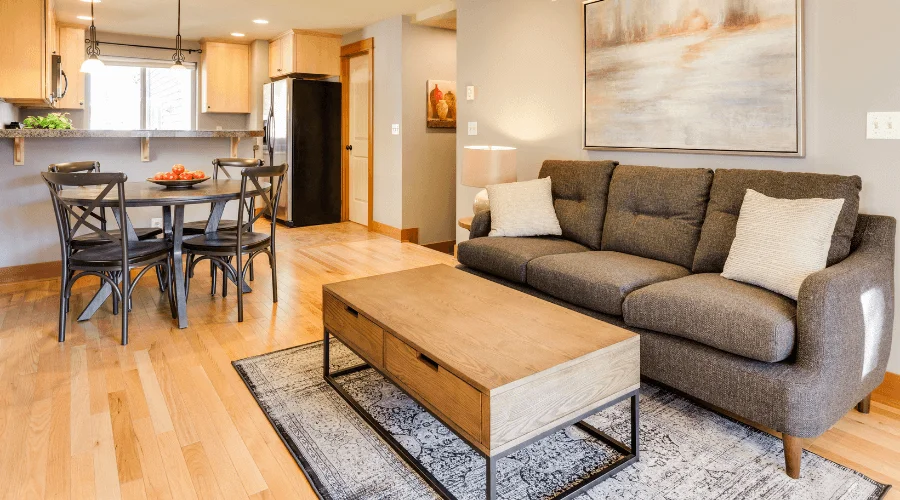
First, talk to your client. Ask them what kind of interior photographs they want from each of the rooms. Make a plan on how you will execute the whole task. Another important part is visiting the place beforehand. Visiting the property will allow you to know the place better. You can have a detailed idea about the place.
I know you do not want to miss any small but important objects. You can mark those objects so that you don’t miss any of them while shooting. Focus on every corner and make a proper plan. Notice the orientation of the building. By this, you will get an appropriate idea of where and how the sunlight enters the room.
Use Natural Light
Natural light is the best choice for interior photography because it creates bright, realistic, and inviting images. Open curtains and blinds to let in as much daylight as possible, and shoot when the light is soft and even. If some areas are too dark, use a flash or reflector sparingly to fill shadows without creating harsh reflections. For the most consistent results, turn off indoor lights to avoid mixed color temperatures that can affect white balance.
Don’t Go Too Wide
A wide-angle lens is useful for real estate photography, but going too wide can distort furniture, walls, and room proportions. For interior photography, aim for a natural perspective that highlights the design without exaggerating the space. A focal length of 24–35mm (full-frame equivalent) works well for most interiors. If space allows, step back instead of using an ultra-wide lens to reduce distortion and create professional-looking photos.
Focus on Composition
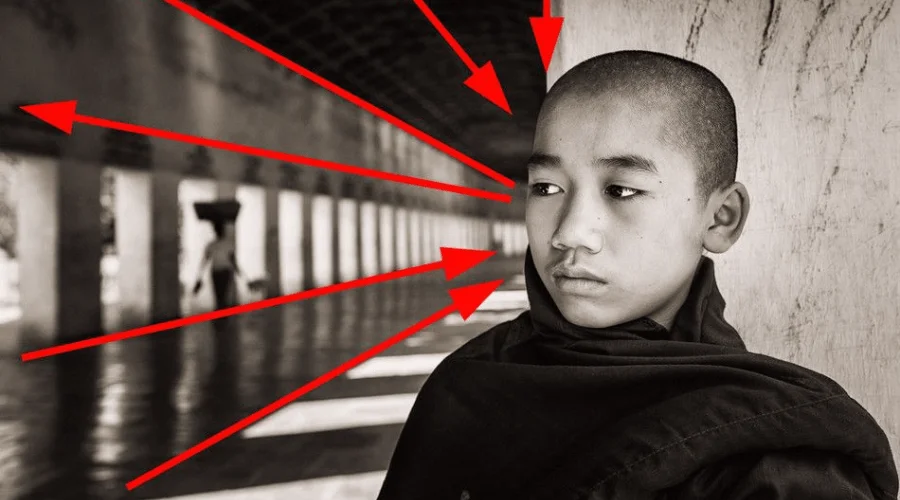
Composition is what turns an ordinary interior photo into a professional one. A well-composed image highlights the room’s design, creates balance, and naturally draws the viewer’s eye to the most important features. Pay attention to leading lines, symmetry, framing, depth, and color balance. Keep the frame clean by removing distractions, and carefully decide what to include or exclude. The right composition helps showcase the space while making the interior look more attractive and inviting.
The following composition tips will help you create cleaner, more engaging interior photographs.
- Use the rule of thirds
- Symmetry
- Leading lines
- Use of depth
- Size equals power
- Don’t follow any fixed rule
You might get confused with the last tip. Yes, I have kept this intentionally. Because composition is such a thing where you can apply many rules. If the photograph is praiseworthy then your technique will also get admiration.
Using Depth in Interior Photography
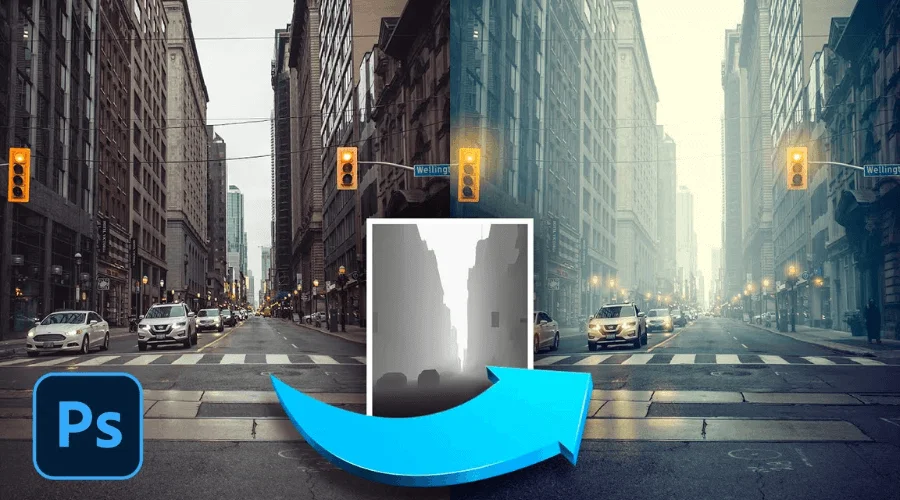
In this type of photography, it is essential to create depth with the furniture and styling items. You can create a luxurious look with this. Think of yourself as an audience. Then look at the photo and notice if your eyesight gets distracted by any unwanted object. Things like this happen when the f-stop is not consistent with the item you want sharp. Interior image f-stop ranges from f8 to f-16. If you want to create depth you should go to lower f-stop.
Shooting Raw
RAW files are the untouched or unedited versions of the images. You can compare it with the negatives of the photo. Most cameras can shoot RAW nowadays. The RAW image lets you have firm control over your final image. When you shoot RAW it allows you to adjust the white balance and set the photo size.
Remove Clutter
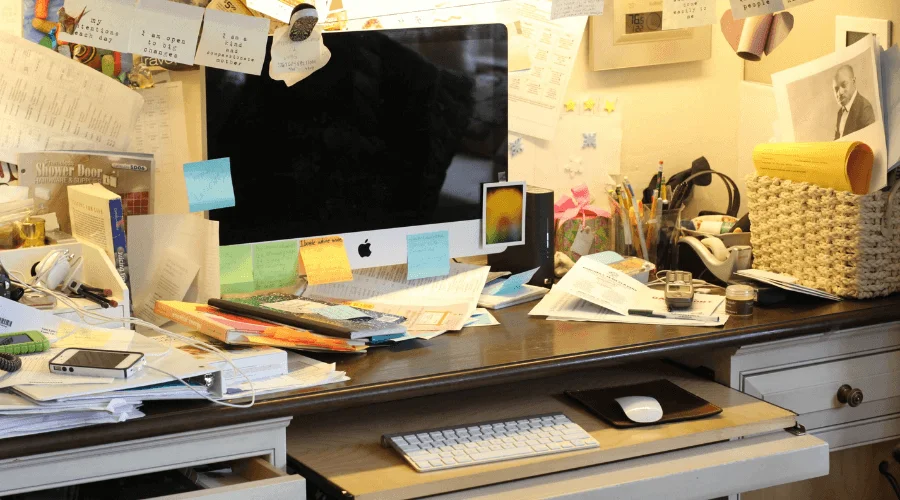
Removing clutter is a must. You must talk to your clients about what exactly they want to show. Then it would help if you made a plan on how you will show them. Prepare the photo space according to the client’s demands. Don’t just ask what to do and how to do it. They have invested in your expertise. So show that to them. You can give some recommendations to them about what they should remove from sight.
Make Room for the Shot
Limited space is a common challenge in interior photography, especially in kitchens and bathrooms. If furniture or decorative items block your camera position, move them temporarily to create a better shooting angle. Avoid relying on an ultra-wide lens to fit everything into the frame, as it can introduce unwanted distortion. Creating a little extra space often results in more natural, balanced, and professional-looking interior photos.
White Balancing
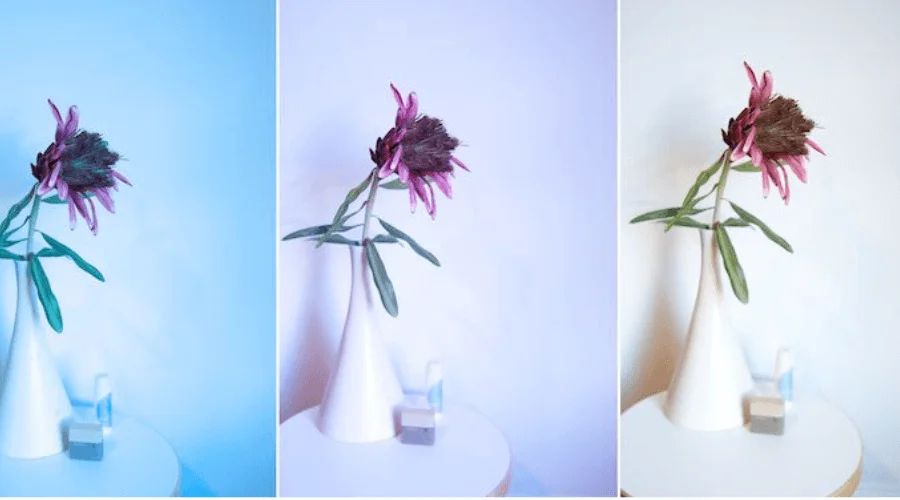
Accurate white balance is essential for natural-looking interior photos. It ensures colors appear true to life and prevents unwanted yellow, blue, or orange color casts caused by different light sources. For the best results, use your camera’s custom white balance setting or a color checker card to achieve accurate, consistent colors that require less editing later.
Post-production Editing
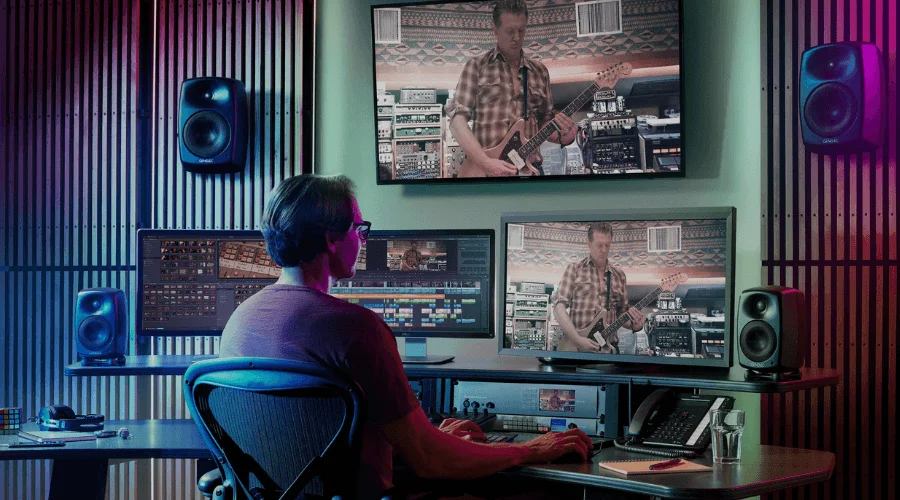
Editing is the final step in creating professional interior photos. Basic adjustments like correcting exposure, white balance, perspective, and colors can make your images look cleaner and more appealing. If you handle a large number of photos or want consistent, high-quality results, outsourcing to a professional photo editing service can save time and help you meet client deadlines.
Conclusion | How To Shoot Best Interior Photos
Great interior photography combines the right camera settings, lighting, composition, and attention to detail. By using natural light, choosing the best angles, keeping spaces clean, and editing your images carefully, you can create professional photos that make any property more appealing.
Whether you’re photographing a home for a real estate listing or building your portfolio, consistent practice and thoughtful planning will help you capture stunning interior images every time.